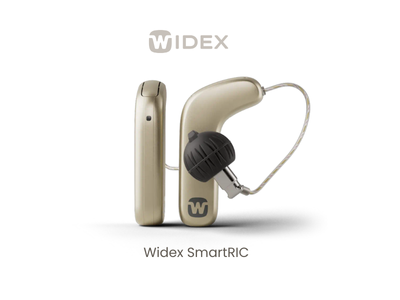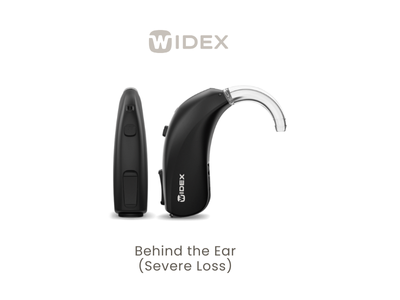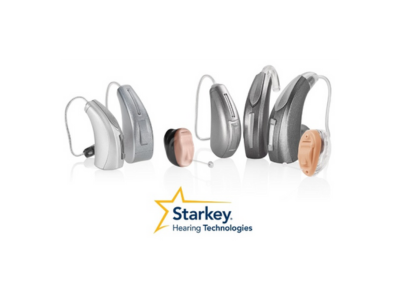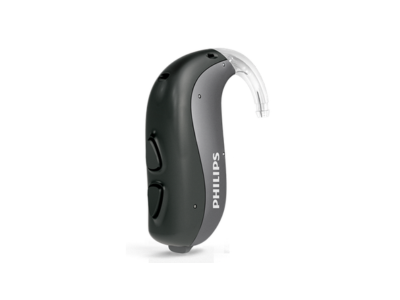
Behind-The-Ear (BTE)
The world's most common hearing aid style.
Available in standard, mini or power
Available in standard, mini or power
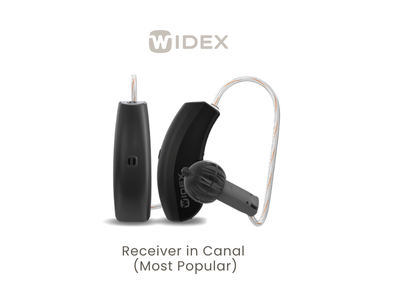
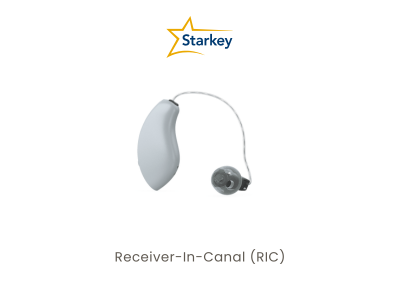
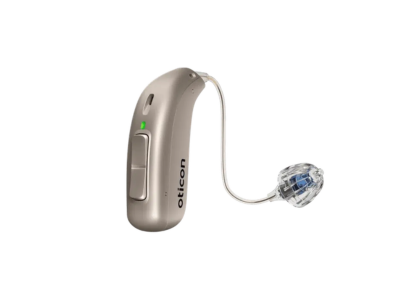
Receiver-In-Canal (RIC)
Small, discreet and quick to fit. Perfect for first-time hearing aid wearers.
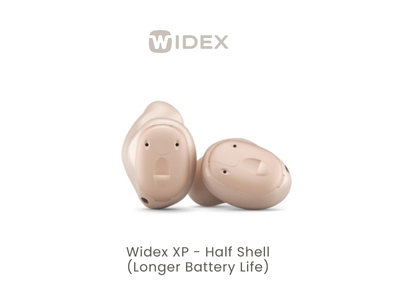
In-The-Ear (ITE)
Custom hearing aid that fits within the outer portion of the ear
In-The-Canal (ITC)
Custom hearing aid that fits in the ear canal. Smaller portion shows
in outer ear.
in outer ear.
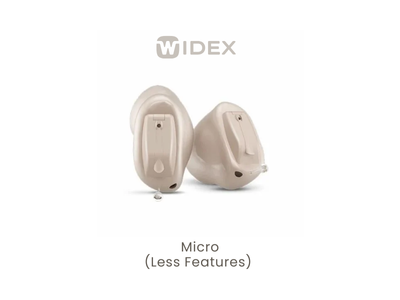
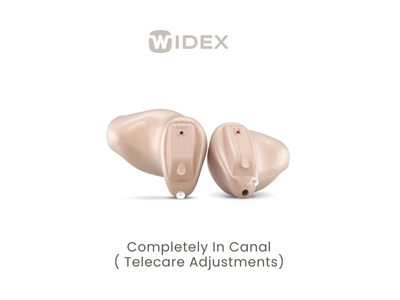
Completely-In-Canal (CIC)
Only the tiny removal handle of the hearing aid shows
outside of the ear canal
outside of the ear canal
Invisible (IIC)
Rest in the second bend of the ear canal where no one can see them
Quick Contact
Hearing Aid Fitting
Selecting the right hearing aid is only the first step toward better hearing. Proper hearing aid fitting is equally important and plays a crucial role in determining the overall success of the hearing rehabilitation process. At Truvia, we believe that even the most advanced hearing aid can only deliver its full benefits when it is accurately programmed, professionally fitted, and customized to the user's individual hearing needs.
Hearing aid fitting is a personalized process that ensures hearing devices are configured according to the specific hearing loss identified during a hearing evaluation. It involves much more than simply placing a hearing aid in the ear. Our specialists use detailed audiological information to program the device so that sounds are delivered clearly, comfortably, and naturally.
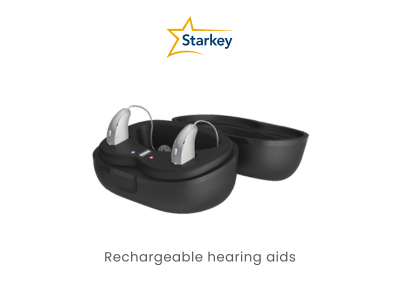
During the fitting appointment, we carefully adjust the hearing aid settings based on your hearing test results. We assess comfort levels, sound quality, speech clarity, and listening preferences to ensure optimal performance. We also educate clients on proper usage, insertion and removal techniques, cleaning procedures, charging methods, and routine maintenance.
One of the most important aspects of hearing aid fitting is helping users adapt to hearing sounds that they may not have heard clearly for many years. Because hearing loss often develops gradually, the brain becomes accustomed to reduced sound input. When hearing aids are introduced, users may initially notice sounds that seem unfamiliar or louder than expected. This adjustment period is completely normal and typically improves as the brain relearns how to process sound.